Biomes are groups of ecosystems with similar climates and organisms. With the aid of your textbook, we will identify and study nine biomes, both land and water. Several of these biomes have sub-biomes, as well. While each of these biomes contain ecosystems that share common characteristics, they also contain areas that are unique and geographically isolated from each other.
Your task is to choose one of the following biomes or sub-biomes, complete some research (in addition to the textbook), and create a project that either 1) represents a specific example of that biome [e.g. temperate rainforest of the Olympic Peninsula in Washington State], or 2) shows the variety and uniqueness of different ecosystems that are identified as the same biome [e.g. tropical rainforests of South America, Africa, and Southeast Asia].
As biome options, consider one of the following:
|
Rainforest
tropical
temperate
DesertGrassland
prairie
savanna
Deciduous ForestBoreal ForestTundraMountains and IceFreshwater
ponds & lakes
streams & rivers
Marine
estuaries
intertidal
neritic
surface
deep
|
shrub-steppe (WA State)

|
sub-alpine (WA State)
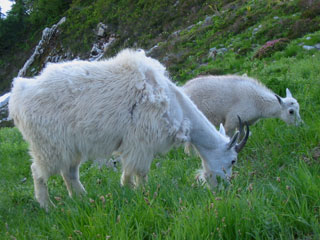 |
intertidal (OR State)
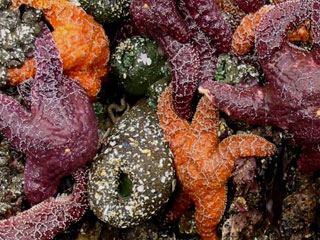 |
photos by M. Clapp |
|
|
To demonstrate and share your research, you may choose one of the following options:
Option #1 ... write and illustrate a travel brochure advertising a vacation to your biome
Option #2 ... use art supplies and magazine images to make an informative poster (max. size: 18"x24") describing
your biome
Option #3 ... use a box, art supplies and pictures to create a diorama of your biome
|
Your project must include the following information: (information should be in your own words)
- Identify the type of biome or sub-biome this ecosystem(s) represents (e.g. Temperate Rainforest)
- Identify the specific ecosystem(s) by name, country, or geographic region (e.g. Olympic Peninsula in Washington State
- Include a map that identifies the location of your ecosystem(s)
- Present information on abiotic factors affecting ecosystem, such as, climate, temperature range, precipitation, sunlight, water conditions, and seasonal variations (include only information that is appropriate for your ecosystem)
- A description or labels that identify the primary producers (plants or plant types) found in the ecosystem
- A description or labels of the consumers (animal life) found in the ecosystem
- A food web showing connections between the different plants and animals
- Brief statement on the ecosystem's value to people, or the human impact on the environment
- Cite sources used in completing the project (don't list Google or other web search engine as a source -- give the actual web address/URL; give complete reference information for books and magazines)
- Student’s name must be clearly displayed on the front of the project
|
Evaluation of the project Projects will be evaluated in each of the following categories:
1. Thoroughness: Does the project include all required information?
- name of ecosystem and type of biome it represents
- map showing the location of ecosystem or biome
- climate or conditions found in the ecosystem (precipitation, temperature, sunlight, currents, ...)
- plant and animal communities associated with biome or ecoregion
- human impact and/or significance to human life, economics, and society
- student's name
2. Quality:
- Is quality workmanship and an appropriate effort apparent in the preparation and appearance of the project?
- Is the project neat and legible?
- Is the display of information (including name and references) consistent?
- Does the project merit attention and create interest?
3. Use of Resources:
- Is information from sources other that the text book included in the project?
- Is information in the student's own words or properly quoted?
- Are the sources for information and images referenced in the project?
4. Presentation:
- Did the student make an informative, understandable, and interesting presentation of the project?
|
**Due Date: |
| |
